How to Crochet Chicken Leg Amigurumi for Beginners

Add an adorable and realistic crochet chicken leg amigurumi to your fake play with a step-by-step tutorial for beginners. You will also find helpful tutorials for a detailed understanding of basic crochet stitches used to crochet this chicken drumstick. You’ll also learn to add fiber, cotton, and create the bone part. They are perfect for Thanksgiving. Follow through with us for the tutorial!

Chicken Leg Amigurumi tutorial
The tutorial demonstrates how to crochet a cute drumstick step-by-step. Basic crochet skills are recommended before starting this pattern.
- Materials Used:
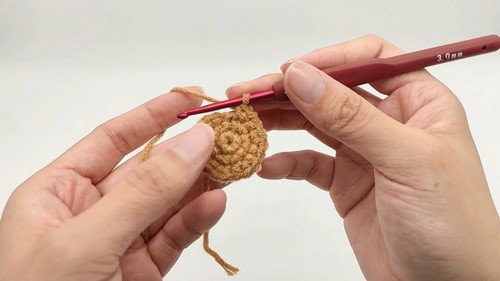
- 3mm crochet hook.
- Four-ply yarn.
- Fiber cotton for stuffing.

- Drumstick Creation:
- Begins with a magic ring to form the base.
- Various rows are constructed using single crochet, increases, and decreases to shape the drumstick.
- Instructions are provided for alternating patterns, such as single crochet and increase or single crochet and decrease.
- The drumstick narrows as the rows progress, forming the leg shape.
- Fiber cotton is added before completing the final rows to give the drumstick a stuffed look.
- Bone Section:
- A separate bone piece is created using a similar method of starting with a magic ring.
- Two identical pieces are crocheted and connected together directly to form the bone shape.
- Fiber cotton is added inside the bone section for structure.
- The bone is finished with decreases and is sewn securely onto the drumstick.

- Final Touch:
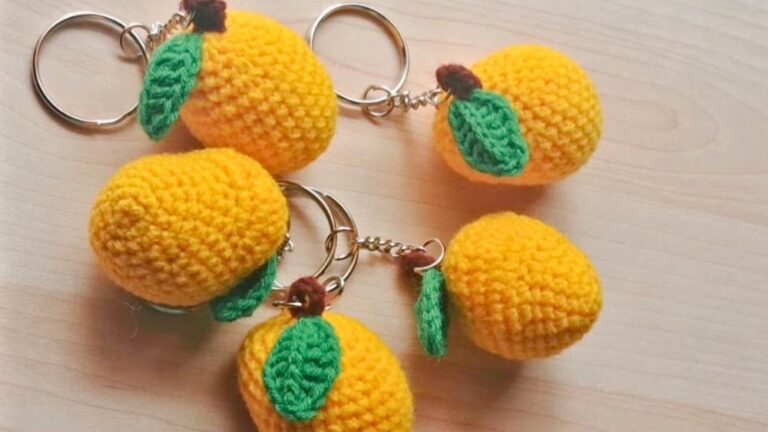
- The completed drumstick is attached to a keychain for decorative use.
- The video encourages creativity and fun while crocheting the toy drumstick.

What is the best yarn for crochet Leg Amigurumi?
The best fiber type for crocheting this drumstick is cotton yarn or a cotton-blend. Cotton is ideal because it provides a smooth texture, excellent stitch definition, and durability, which makes it perfect for amigurumi projects like this. It also holds its shape well after stuffing and doesn’t stretch out over time, ensuring the drumstick retains its form. For a softer finish, you can use a cotton-acrylic blend.